

How to Sell a House With a Reverse Mortgage in Maryland
If a reverse mortgage is part of the picture, the first thing to know is this: you have more options, and more protection, than you might fear.
Maybe a parent who took out a reverse mortgage has passed away or moved into care, and the loan has come due. Maybe you are the homeowner and you are ready to sell. Either way, reverse mortgages come with federal protections specifically designed to keep families from being trapped. Here is exactly how selling a home with a reverse mortgage works in Maryland.
Get Your Free Cash Offer Now!
Fill out this form to get your no-obligation all cash offer started!
Get Your Free Offer TODAY!
Fill In This Form To Get Your No-Obligation All Cash Offer Started!
What a Reverse Mortgage Is — and the Key Protection
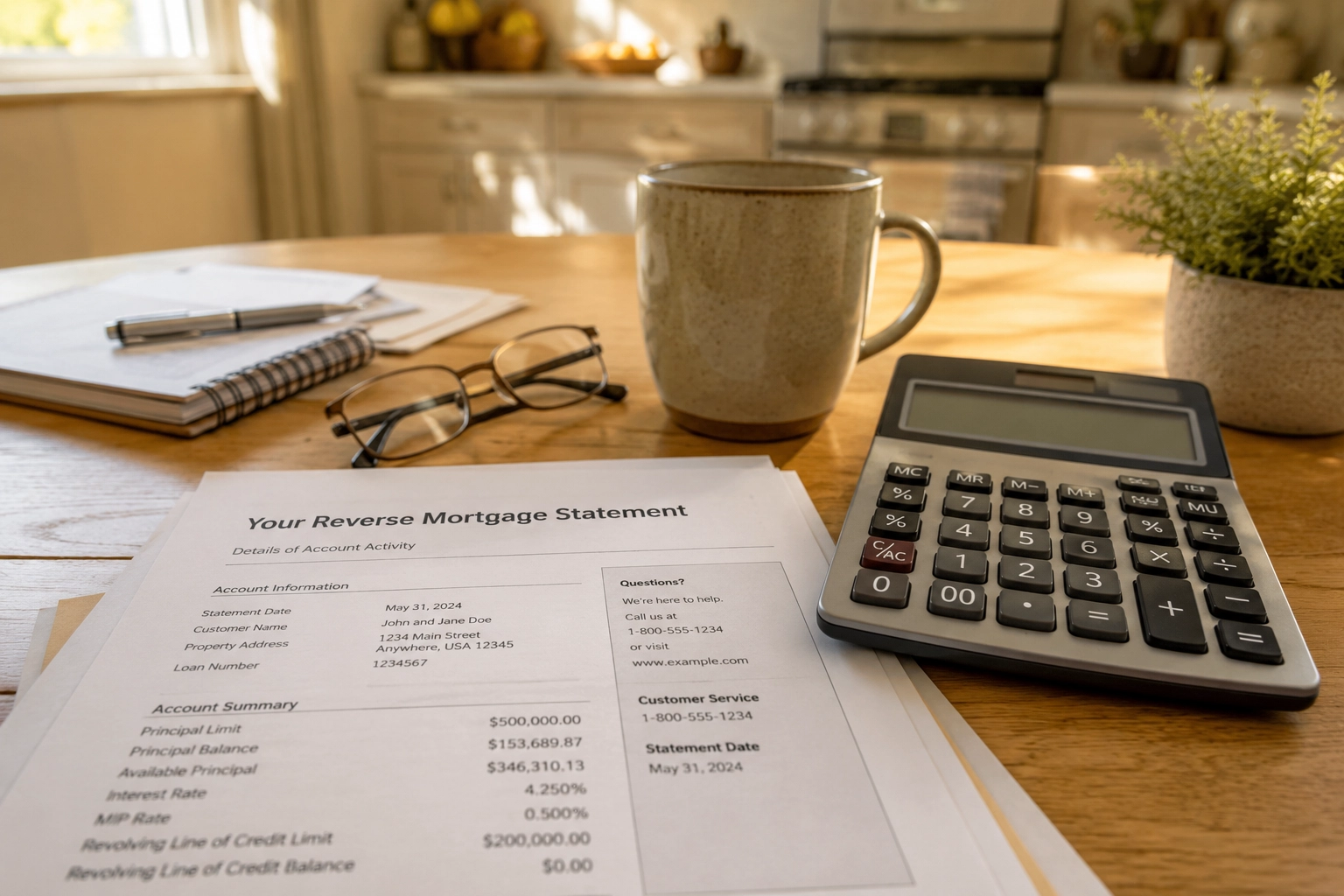
Most reverse mortgages are Home Equity Conversion Mortgages (HECMs), insured by the federal government through HUD. The single most important feature is that a HECM is a non-recourse loan: you and your heirs can never owe more than the home is worth, no matter how much interest has accrued. The lender's only security is the home itself — they cannot come after other assets or other family members.
When the Loan Becomes Due and Payable
A reverse mortgage becomes due and payable when the last borrower dies or permanently leaves the home — for example, by moving into long-term care for more than twelve months. At that point the loan servicer sends a 'due and payable' notice, and the family typically has time to act, including extensions to arrange a sale. The Consumer Financial Protection Bureau lays out the options clearly.
Your Options — and How Equity Works
- Sell the home. This is the most common choice. The sale pays off the reverse-mortgage balance, and any equity above that balance belongs to you or the estate — to keep. If the home is worth more than the loan, you keep the difference.
- Keep the home. Heirs who want to keep it can pay off the loan — and under HUD rules, if the balance is higher than the home's value, they can satisfy it by paying 95% of the current appraised value instead. This is the protection that keeps families from being underwater.
- Walk away. Because the loan is non-recourse, the family can hand the home to the lender and owe nothing further. But if there is equity, selling is almost always better than walking away.

The practical takeaway: if there is equity in the home, selling promptly captures it for the family before interest continues to grow — and it avoids any risk of the lender foreclosing after the due-and-payable deadline.
What Our Customers Are Saying
See why many people recommend us to be your local Maryland homebuyers.

Brett is an exceptional man with intelligence, honesty, foresight, vision and best f all LOYALTY! I have been a Realtor since 1998 and have never been fond of the investment buying process until Brett! I love working with him as his Realtor. I am so honored that he chose myself to do this job and I am so excited for the years to come!

Michele Michael
I am so happy to have found Tyler and Brett at ACE. In a world where everyone is out for themselves, these men are both a breath of fresh air. They are upfront and honest and made our transaction so seamless and easy. Very easy to work with and I will 100% recommend them to others and do business with them again, given the opportunity.

Olga Michaelidis
Calling Ace Homebuyers was the best decision I made when looking to help sell my parent’s house. Tyler and Brett are not only very professional, but they made the process super easy. They took care of everything. After my Dad passed away, we need to move my mom closer to my siblings. This required us to sell the house that my parents spent 41 years in.

Jeffrey Mogus
Get Your Free Cash Offer Now!
Fill out this form to get your no-obligation all cash offer started!
Fill In This Form To Get Your No-Obligation All Cash Offer Started!
Frequently Asked Questions
Can I sell a house with a reverse mortgage in Maryland?
Yes. The sale pays off the reverse-mortgage balance, and any equity above that balance belongs to you or the estate. ACE Homebuyers coordinates with the loan servicer to pay off the HECM at closing.
Will my family owe money if the reverse mortgage is more than the home's value?
No. A HECM is a non-recourse loan, so you and your heirs can never owe more than the home is worth. If heirs want to keep the home and the balance exceeds the value, HUD rules let them pay 95% of the current appraised value.
When does a reverse mortgage become due in Maryland?
A reverse mortgage becomes due and payable when the last borrower dies or permanently leaves the home, such as moving into long-term care for more than twelve months. The servicer sends a due-and-payable notice and the family typically has time to arrange a sale.
How fast can ACE close on a home with a reverse mortgage?
ACE can close in as little as 7 days when the due-and-payable deadline is near, coordinating the HECM payoff with the servicer and a licensed Maryland title company. Any equity above the balance goes to the family.

How ACE Homebuyers Helps With Reverse-Mortgage Sales
We have handled many Maryland sales involving reverse mortgages, so the due-and-payable clock does not have to cause panic. We make a fair cash offer, coordinate directly with the loan servicer and a licensed Maryland title company to pay off the HECM at closing, and we can close in as little as 7 days when a deadline is near. Any equity above the loan balance goes to the family. If a reverse mortgage came due because a parent passed away, this may also involve probate and other heirs — see our guide on selling a home with title or heir issues — and we are comfortable coordinating all of it.
Get Your Free Offer TODAY!
Fill In This Form To Get Your No-Obligation All Cash Offer Started!